All business needs options

Business Bridging Loans

Access short-term funding quickly with flexible business bridging loans to cover temporary cash flow gaps, property purchases, or time-sensitive opportunities.

Our LendTech platform lets you:

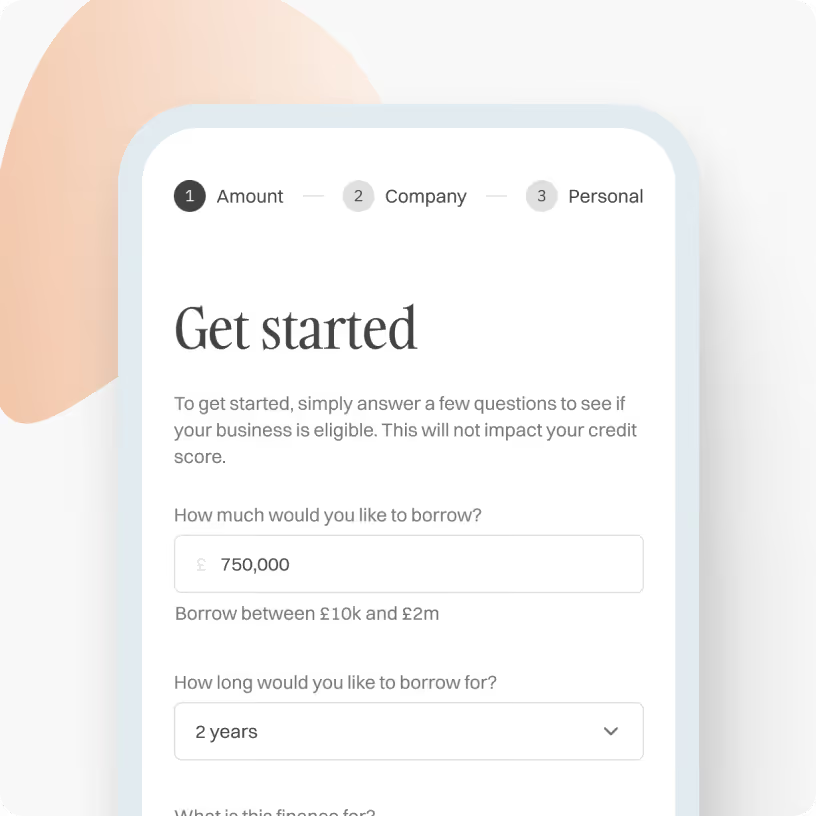
  • Check eligibility in 30 seconds

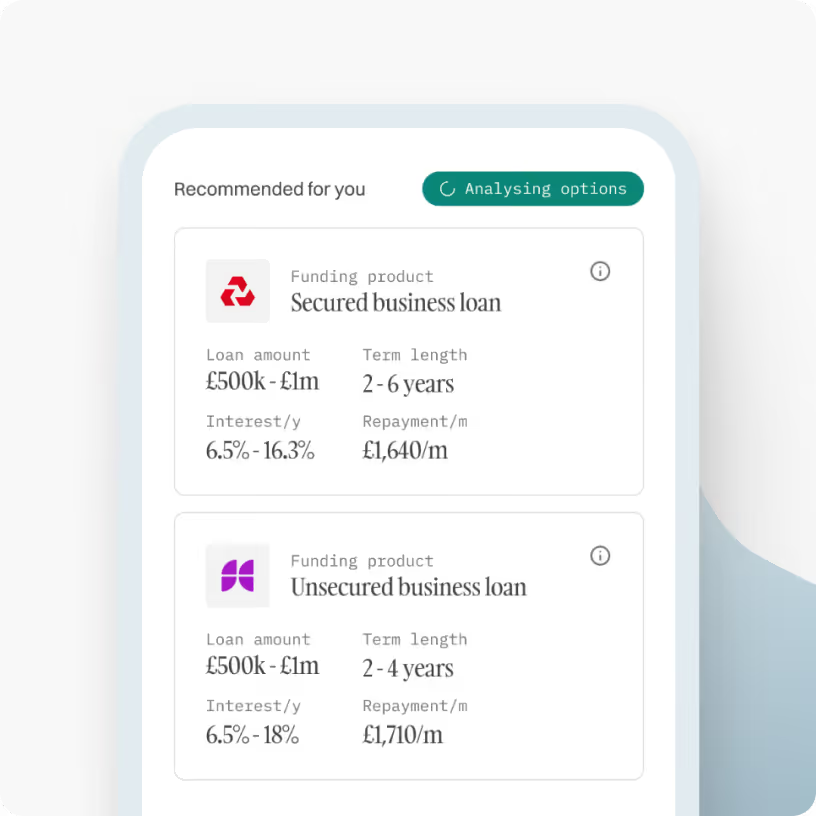
  • Match with 50+ lenders

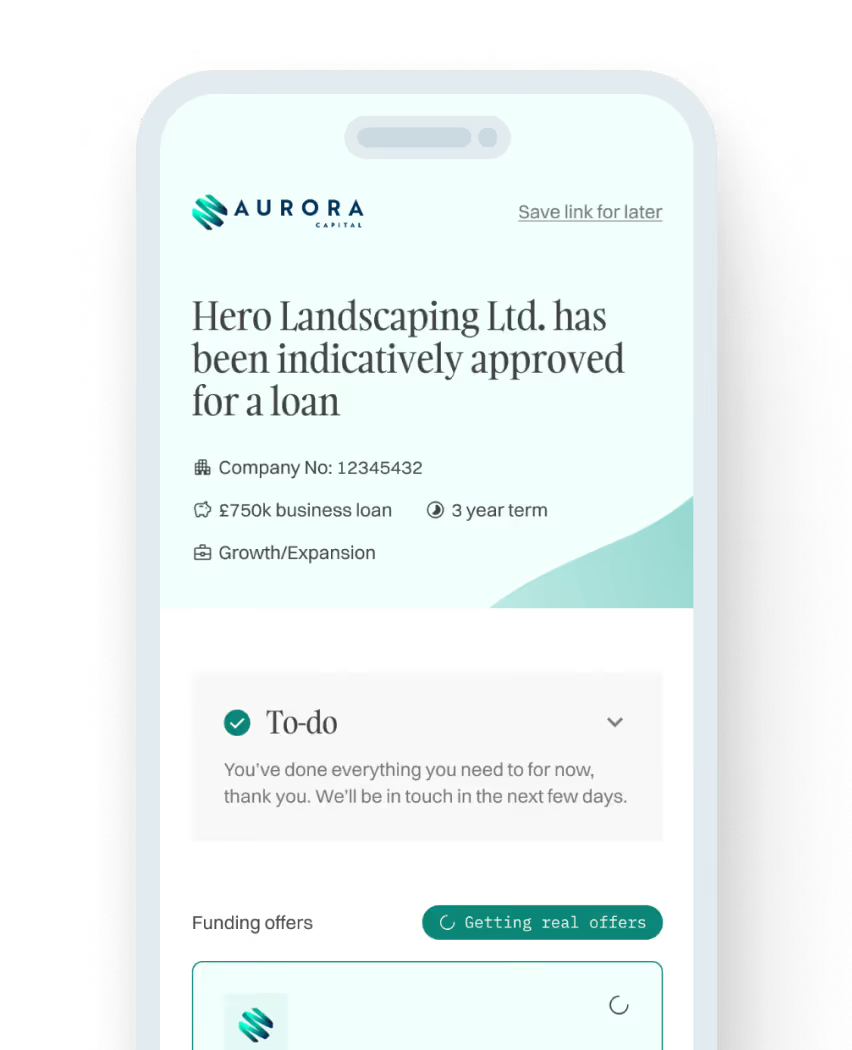
  • Get indicative offers in 5 mins

Check eligibility

Applying won't affect your credit score

Rated excellent on Reviews.io
Apply in minutes
Free, no-obligation quote
No effect on credit score
Get a quote, fast
Lending period
Loan amount
£100,000
Payment/m
£66,000
Thank you! Your submission has been received!
Oops! Something went wrong while submitting the form.


Indicative rates for this term start at 6.9% based on our panel of lenders. Final rates are subject to individual lender approval and borrower eligibility. You may be offered different terms. Based on average rate of our lowest risk business and current fees which may be subject to change.

Thank you! Your submission has been received!
Oops! Something went wrong while submitting the form.

Bridging loans

A bridging loan can be a fast short-term solution to help your business cover an immediate cash need while you wait for incoming money. Learn everything you need to know about how they work, and compare rates and funding options from top bridging loan lenders with Aurora Capital.

What is a bridging loan?

A bridging loan is a short-term loan usually used to help a business buy or renovate a property.

It is designed to bridge the gap between a debt and incoming cash, for example, when you’re waiting for the funds from a sale to come through.

Bridging loans are a type of secured loan, which means you will need to put up an asset as collateral.

Key features of bridging loans

  • Suitability: Any business that has a commercial or residential property to secure against.
  • Purpose: Bridging loans can have several purposes, but are commonly used for property refurbishments.
  • Amount: Bridging finance loans range from £25k – £15m. We can usually lend up to 75% LTV.
  • Term: Up to 24 months. This will depend on the equity left in the property and how much you need.
  • Cost: Interest rates from 0.55% per month.
  • Security: Security can be taken as either a 1st, 2nd or equitable charge of a residential or commercial property depending on your circumstances.
  • Speed: Decisions can be made within 24 hours.

How does a bridging loan work?

A bridging loan can provide your business with a large sum that you repay over a short period of time, often just a few months. The loan is usually repaid when you can get a longer-term loan, like a commercial mortgage, or when you receive funds following the sale of an asset.

Here are a couple of examples of how bridging loans can work:

  • Bridging loans for property refurbishment: A property development firm purchasing premises needing extensive refurbishment may need help to secure a mortgage. With a bridging loan, the developer could secure the funds they need to refurbish the property. They can then sell the property, use the proceeds to repay the lender, and still have profit to spare.
  • Bridging loans for property purchases: If a business is caught in a property chain, it may be unable to make a big purchase until a sale has been made at the other end. In this situation, a commercial bridging loan can help keep the chain from breaking. Once the sale is completed, the funds can then be used to repay the loan.
  • Quick property purchases: Bridge loans can also be used for property purchases where sales need to be completed quickly. The loan is secured against the available equity in the property and then repaid when it is sold.

How much can I borrow with a bridging loan?

It’s possible to borrow between £25,000 and £15 million with a bridging loan, but the amount you can get will depend largely on the equity you have in the property you’re using as security.

Most bridging loans are offered at around 70% or 80% LTV, which means you could potentially borrow 80% of your property's equity.

For example, if the property is worth £500,000, at an LTV of 80%, you could borrow up to £400,000 minus any outstanding mortgage balance you have.

However, most lenders will also consider other factors, such as the state of your business’s finances, when determining how much they are willing to lend you.

Types of bridging loans

There are several types of bridging finance available. Each type has slightly different criteria, and the right option for you will depend on your security and the loan term you want. The types of bridging loans include:

  • Open bridging loans: An open bridging loan has no set repayment date, but you may be expected to repay it within one or two years. An open bridge loan may be a good option if you don’t yet have a defined exit strategy, but they usually come with higher interest rates.
  • Closed bridging loans: A closed bridging loan has a fixed repayment date. This type of loan is best if you have an exit strategy, such as a pending property sale. It is usually the cheaper option, as the lender is exposed to less risk.
  • First-charge bridging loans: A bridging loan will be a ‘first charge’ if you own the property or asset against which you’re securing the loan outright. This means it will be repaid first in the event of repossession.
  • Second-charge bridging loans: If the property already has a loan secured on it, such as an outstanding mortgage, the bridging loan will be a ‘second charge’. This means the bridging loan will only be repaid once the first-charge mortgage has been cleared if the property is repossessed.

You can also choose to pay a fixed or variable rate of interest. A variable rate fluctuates based on factors like the Bank of England base rate, which means your payments could go up or down.

A fixed rate will remain the same for the loan term, so you will always know what your repayments will be. As bridging loans are short-term, the risks of fluctuating interest rates are reduced, but a fixed rate could still offer the security of knowing your repayments won’t change.

How to get a bridging loan

When applying for a loan, you first need to:

  1. Decide how much you need to borrow - only apply for what you need to avoid burdening your business with more debt than is necessary
  2. Think about how long you will need to repay the loan and if you need an open or closed bridge loan
  3. Make sure you have all of the documents you need to submit as part of the application
  4. Find and compare bridging loan quotes with Aurora Capital

When you start your application with Aurora Capital, you’ll be asked to provide an overview of your project including what you need the funds for.

You’ll also need to provide some additional details and documentation, including:

  • Proof of identity
  • Last six months of bank statements
  • Latest company accounts
  • Personal and business information

We will then match you with a lender who will assess your circumstances and determine whether you qualify for the loan.

The lender may need additional information about the property; for example, they may need to conduct a valuation. They may also require further clarification regarding the purpose of your loan or see evidence of your exit strategy, which is information about how you plan to repay the loan.

Once accepted for the loan, you can receive your funds in a matter of days and start your project.

Can I get a bridging loan?

If your business has a commercial or residential property to use as security, you can get a bridging loan.

Here is a list of the security we can lend against with bridging finance:

  • Residential property
  • Residential developments
  • Commercial property
  • Commercial developments
  • Mixed-use property schemes
  • Offices
  • Retail property
  • Farm and agricultural land
  • Residential and commercial investment property

You may also need to have a detailed plan outlining how you will be spending funds and the desired outcome of your project. This will help the lender assess the level of risk of lending to you - if your project is considered high risk, you may not be accepted.

You and your business will also need to meet the rest of the lender's eligibility criteria, including:

  • You will need to be a UK resident
  • Your business must be registered in the UK
  • Your business will need to have been operating for at least six months
  • You must have no adverse credit on your business or personal credit files, i.e. CCJs, bankruptcies, liquidations, or IVAs

Should I get a business bridging loan?

There are several factors to consider when deciding whether a bridging loan is right for you, and it is important to consider other types of loans depending on your circumstances.

Bridging loans can be a fast and flexible option, especially if you need funds to complete a project quickly. However, they can be risky, so it’s important you understand the pros and cons before making an application.

Pros and cons of bridging loans

Pros of bridging loans

  • Flexibility: A business bridging loan is not limited to one purpose. While they are commonly used in the property sector as a mortgage shortcut, bridging finance can also be suitable for various other purposes depending on what is agreed with your lender.
  • Transaction speed: You can access funds faster than with most other loans. It’s a good option for emergencies, but can also help with short-term projects or times when your business is waiting for a promised cash influx.
  • Controlled interest: Since bridging loans are short-term, the interest is more controlled than in other funding options. Repaying within a relatively short timeframe means you have complete oversight and can budget your repayments more easily.

Cons of bridging loans

  • Higher borrowing costs: The interest rates offered by bridging loan lenders can be higher than other loans, and there are often additional fees to pay.
  • Pressure to repay: The short terms offered by most bridging lenders may pressure you to repay the loan quickly. For this reason, it’s vital that you have a clear repayment plan and exit strategy in place.
  • Assets at risk: Bridging loans are secured against an asset, usually property, which will be at risk if you default on the loan. The lender can repossess your property to cover the repayments if you can no longer make them.

What are the alternatives to bridging loans?

Before applying for a bridging loan, it is worth considering your options first to make sure you choose the right loan for your business. Alternative funding options include:

  • Unsecured business loans: These loans do not need to be secured against a business asset, which reduces the risk, but they can be more difficult to get than a bridging loan.
  • Secured business loans: These differ from bridging loans because they are repaid over a longer period of time, often several years. They are less flexible but usually come with lower rates of interest.
  • Remortgaging: You can remortgage your property and withdraw the funds you need from equity rather than using a bridging loan.

If you want more personalised advice on what kind of loan might be right for you, you can always speak to our professional advisors.

Can I get a bridging if I have bad credit?

Yes, bridging loans are often popular for individuals or businesses with adverse credit. They can be a good way to pay off bad debts, giving you time and flexibility to regain control of your finances.

Lenders are willing to offer bridging loans to applicants with poor credit, provided they have a clear exit strategy for repaying the loan.

What is an exit strategy?

An exit strategy is a plan detailing how you’re going to pay the bridging loan off. Common exit strategies include:

  • Obtaining a mortgage
  • Getting a secured loan
  • Completing the sale of a property

Most bridge loan lenders want to see your exit strategy as part of your application. At Aurora Capital, we can help you define a realistic and watertight exit strategy.

How long does it take to get a bridging loan?

A bridging loan can provide funds relatively quickly. It is often needed by those who need funds fast, so lenders are usually willing to release the money within a matter of days.

However, the exact timeframe will depend on your application and the lender you choose. If your request is complex, it could take longer for you to receive the funds.

When you apply with Aurora Capital, many of our lenders can make a decision in principle within just 48 hours. This gives those who need it a fast method for obtaining high-value loans.

Can I pay the loan back early?

Yes, it’s possible to repay your bridging loan before the end of the term. Open bridging loans don’t have a set repayment date, so you should aim to pay this type of loan as soon as possible.

If there is an exit fee or early redemption charge, the typical amount would be one month’s interest payment or 1% of the loan.

How much does a bridging loan cost?

The cost of your bridging loan depends on several factors, including your credit score, the interest rates available, and the value of what you have secured the loan against.

The fees for a bridging loan typically include:

  • An arrangement fee of 2%
  • Interest from 0.5% per month to 2% per month

Bridging loan interest rates are typically charged monthly, unlike most business loans, which are charged annually. This means they can be much more expensive. For example, a monthly interest rate of 2% is the equivalent of nearly 27% annually.

You may also need to pay for a valuation of the property offered as security, typically around £400.

You can pay the interest on your bridging loan monthly or roll it up and add it to the final settlement figure at the end.

Get a free, no obligation quote

Apply in minutes, there’s no impact on your credit score and you’ll get a free, no obligation personalised quote in hours. Regulated by the FCA: 831395

How much would you like to borrow?
£
Thank you! Your submission has been received!
Oops! Something went wrong while submitting the form.
Prefer to talk? Call us on 01371870815
No items found.
No items found.
No items found.

How much could you borrow?

£
Thank you! Your submission has been received!
Oops! Something went wrong while submitting the form.

Apply in minutes

Free, no-obligation quote

No effect on credit score

Browse our funding options for all types of businesses

Growth Guarantee Scheme

An unsecured business loan backed by the government. Ideal for businesses looking to grow and expand.

  • Amount
    £25,001 to £750,000
  • Terms
    Up to 6 year terms
  • Interest
    From 10% per annum

Unsecured Business Loans

A flexible, unsecured business loan with no security on assets or property. Ideal for growth, cashflow or working capital needs.

  • Amount
    £10,000 to £750,000
  • Terms
    Up to 6 year terms
  • Interest
    From 6.9% per annum

Asset Finance

Whether you are looking to purchase machinery, equipment or vehicles, this could be the ideal solution for your business.

  • Amount
    £5,000 to £750,000
  • Terms
    Up to 6 years
  • Interest
    From 6% per annum

Revolving Credit Facilities

Looking to have a facility where you can drawdown funds when and if you require them, this could be the perfect facility for you.

  • Amount
    £1,000 to £1,000,000
  • Terms
    Up to 3 years
  • Interest
    From 1.5% per month

VAT/Tax Loans

Have an upcoming Vat or Tax bill? This could be the perfect facility to keep cashflow healthy and never have to make a big chunky HMRC payment again.

  • Amount
    £10,000 to £750,000
  • Terms
    Up to 1 year term
  • Interest
    From 1% per month

Merchant Cash Advances

A perfect solution for businesses that take over £10k per month in card/online sales. Rather than paying a fixed monthly payment, repayments are taken as a % of future card sales.

  • Amount
    £10,000 to £750,000
  • Terms
    Variable
  • Interest
    No APR

Secured Business Loans

Are you a new start-up business or are you looking to invest a larger sum into your business? By using a property as security, we can lend larger amounts over longer terms.

  • Amount
    £25,000 to £2,000,000
  • Terms
    Up to 15 years
  • Interest
    From 10% per annum

Small Business Loans

Compare small business loans to assist with purchasing stock, upgrading equipment, or just general working capital requirements.

  • Amount
    £10,000 to £750,000
  • Terms
    Up to 6 years
  • Interest
    From 6.9% per annum

Compare business funding options today, quickly and easily

Browse our range of business funding options to find out more and discover the one that best suits your business.

Compare funding options
Prefer to chat? Call us on 01371870815 to speak to our experts.

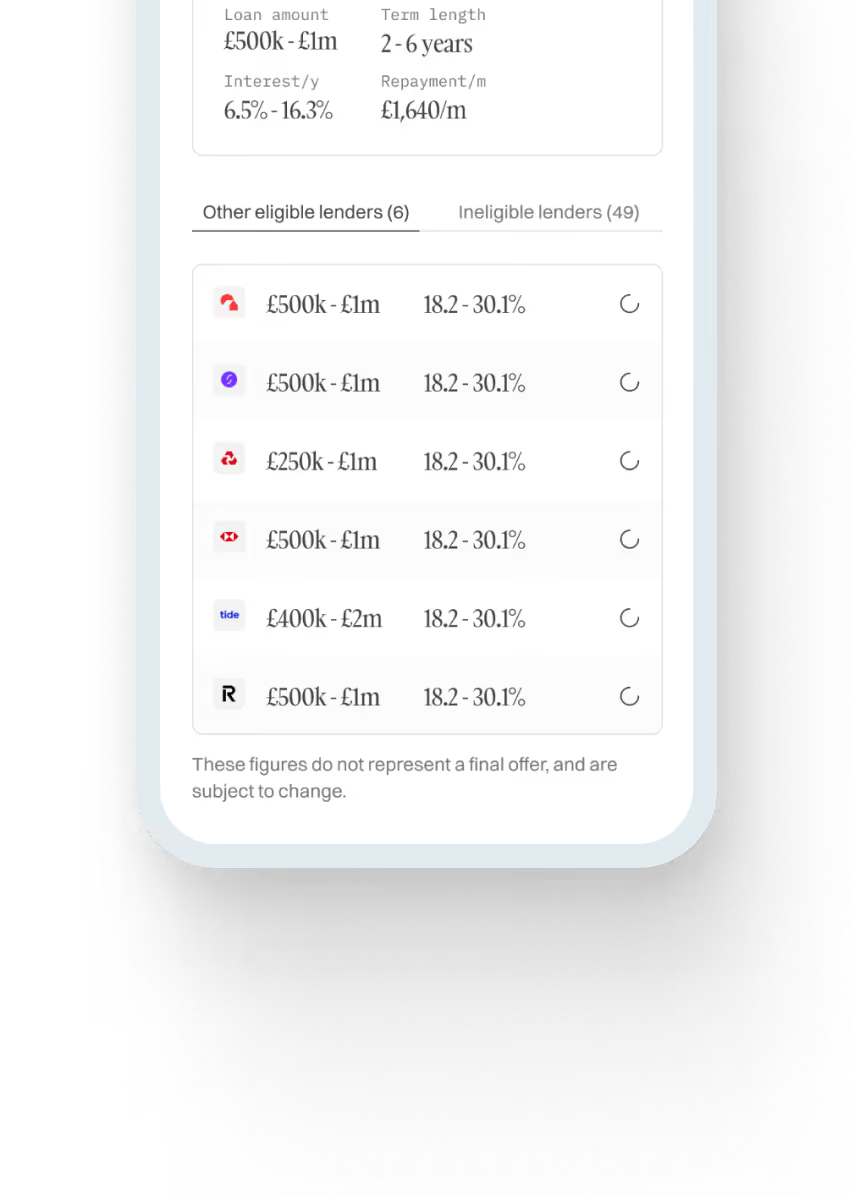
Aurora Capital's mobile lending assessment toolAurora Capital's lending assessment tool showing relevant lenders